
In the fast-paced iGaming industry of 2026, agility is the ultimate competitive advantage. For years, the biggest hurdle for operators and aggregators has been the technical friction of API integration. Traditional setups required weeks of manual mapping, endless testing cycles, and constant communication between dev teams. At DYG, we recognized that the “API handshake” was a significant bottleneck.
The Architecture of Speed: Integration 2.0
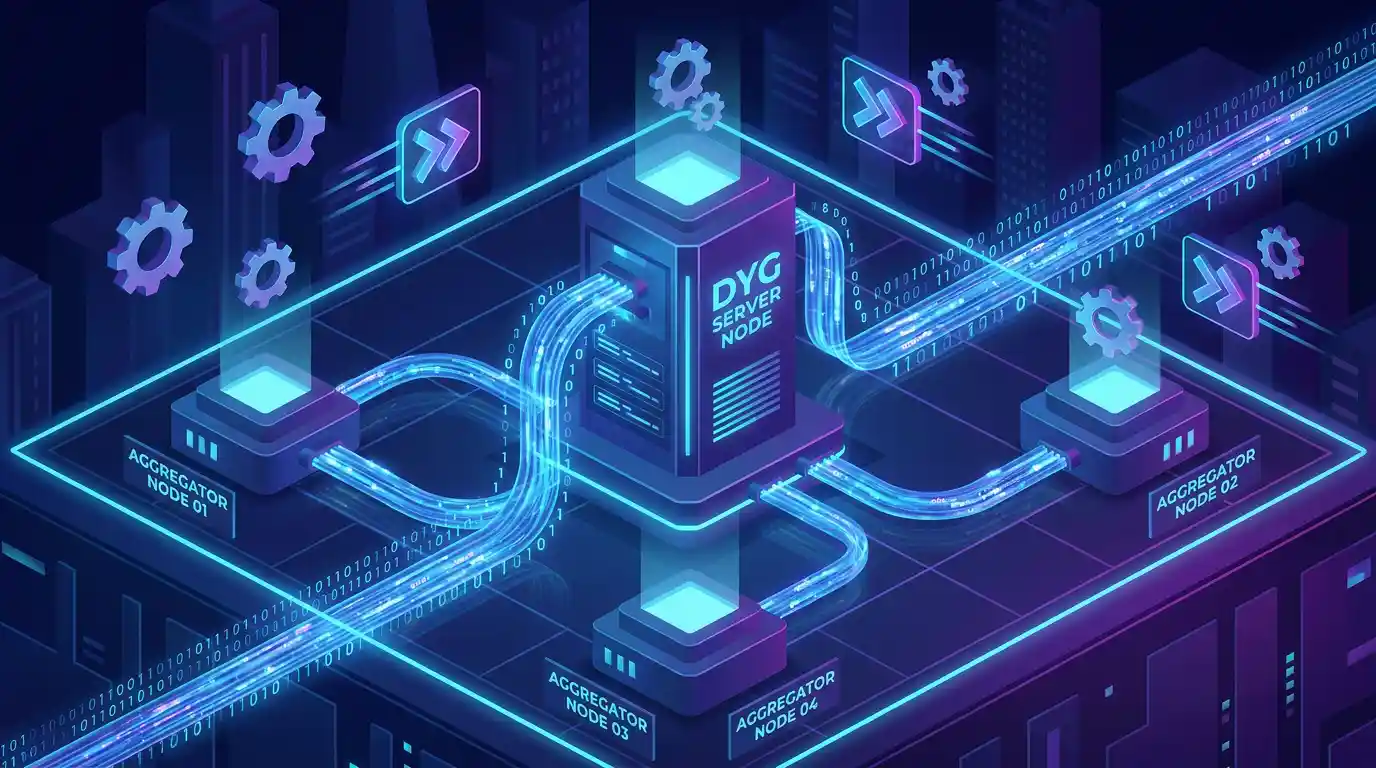
The core of our 2.0 system is a move away from rigid, legacy REST structures toward a more flexible, event-driven architecture. By utilizing GraphQL and WebSockets, we provide a dynamic data stream that only sends the information needed for a specific request. We have collaborated with leading industry bodies to create a standardized “Universal Handshake” protocol. This means that if an aggregator is already integrated with a major platform, our data structure likely already matches their existing mapping.
The Self-Service Revolution: Automation for Small Operators
In 2026, the iGaming market is diversifying. We are seeing a surge in “Boutique Operators” and specialized niche sites. Traditionally, these smaller players were priced out of high-end content because of the integration costs. **API 2.0 changes the game.** Our Self-Service Portal allows an operator to generate keys, run automated compliance tests, and “Go Live” without a single call to our support team. This democratization of content allows even the smallest operator to compete with the giants, offering the same 4K slot games to their audience instantly.
Performance Under Pressure: 100k TPS
Speed of integration doesn’t matter if the API buckles under high load. Our 2.0 infrastructure is built on a distributed cloud network that guarantees 99.99% uptime. Average response time is under 15ms, regardless of geographic location. The system is capable of handling peaks of **100,000 transactions per second (TPS)**, making it ideal for massive multi-player crash games or global viral slot releases. For a deeper dive, see our guide on High-Throughput API Architecture.
Table: Legacy API (1.0) vs. Seamless Integration 2.0
| Metric | Legacy Integration (1.0) | Seamless Integration 2.0 | Improvement |
|---|---|---|---|
| Setup Time | 7 – 14 Days | < 60 Seconds | 99.9% Faster |
| Testing Cycle | Manual QA | Automated Sandbox | 85% Reduction |
| Data Overhead | High (JSON Bloat) | GraphQL (Type Safe) | 60% More Efficient |
The Technical Shift: GraphQL vs. REST in 2026
For years, REST was the gold standard for iGaming APIs. However, as games become more complex, the “over-fetching” of data became a performance drain. A mobile device doesn’t need to know the entire server status just to update a player’s balance. With API 2.0, we have moved to a GraphQL-first approach. This allows operators to request exactly the data they need and nothing more. This reduces the size of each JSON payload and the time it takes for data to travel across the globe.
Security 2.0: Protecting the Bottom Line
Speed never comes at the expense of security. API 2.0 implements several “Zero-Trust” principles, including **mTLS (Mutual TLS)**, which ensures that both the client and server are cryptographically verified before any data is exchanged. Our API layer also includes a real-time fraud detection engine that flags unusual transaction patterns before they ever reach the game engine, protecting both the operator and the provider. Explore our Security Roadmap for more.
FAQ: API Seamless Integration 2.0
Q1: Do I need to rewrite my current integration to use 2.0?
No. Our 2.0 system is fully backwards compatible with our 1.0 REST API. However, to take advantage of the “Seconds to Live” speed and high-throughput features, we recommend a gradual migration for all Tier-1 partners.
Q2: What programming languages are supported?
Our SDKs are available in Node.js, Python, Go, Java, and C#. We also provide a generic Postman collection for manual testing and validation.
Q3: How do I handle game updates?
Under API 2.0, game updates are “silent.” New assets and logic changes are pushed to our CDN and game servers, requiring zero changes or downtime on the operator’s end.
Conclusion: The “Seamless” in API Seamless Integration 2.0 is more than just a marketing buzzword; it is a fundamental shift in how B2B relationships are managed. By removing technical barriers, we allow our partners to focus on what they do best: marketing and player acquisition.